-
Author: Satesh Shaw
-
Updated Date: Nov-07-2024
-
Views: 2 Min Read
Bounce rate is basically that percentage of users who visit your website but decides to leave without even going to the next page. A high bounce rate means only one thing, that you were not able to convince the user to stay longer on your website which in turn affect you call-to-action. Being one of the leading SEO companies in Kolkata and website development companies, over the years we have witnessed many businesses approaching us for improving their website performance and quality.
High bounce rate is widely regarded as one of the main reasons for low conversions. If the majority of your users are just leaving or abandoning your website without even visiting the second page, then it is just killing the chance of converting those users into customers or subscribers. A visitor can bounce from your website by clicking on a link which will redirect the user to a different website or by just closing the tab, typing a new URL and also due to some web-hosting errors.
Now what is considered a good bounce rate?
- 80% or above is very bad
- 70% – 80% is poor
- 50% – 70% is considered average
- 30% – 50% is quite impressive
- 20% or below is considered a tracking error, happening due to wrong implementations of events tracking and duplicate analytics code.
If you are able to identify and fix the issues happening with your landing page then you can easily fix the high bounce rate problem. Here are some of the tips which will help you to reduce the bounce rate –
Improve your site for better UX
UX or user experience is the overall feeling which the user gets while using your website and good user experience can only be achieved when your user finds your website attractive, informative and helpful.
So creating a great website, which works finely in all platforms and devices is the first and the most pivotal step to reduce bounce rate.
Improve your website’s speed
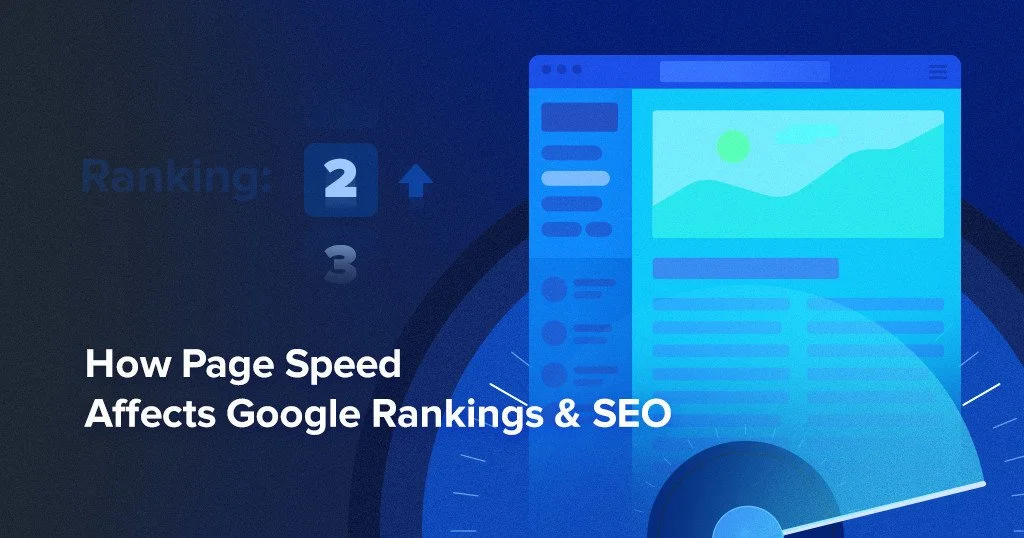
Your website must load very fast. A lot of users will just abandon your website if your site takes too much time to load. You don’t want your users to see a blank page which is loading content at a very slow pace. According to reports, even a second delay in loading the site can reduce your sales potential up to 7%. You must optimize your website images and switch to a faster host provider.
Use the power of videos
Videos are undoubtedly the best form of communication and they are more engaging, impactful and effective than text or static images. You can use animations, audio, colours, narration and many other tools which will help you to persuade the users. If you use a full-screen video on the landing page of your website, it will be highly engaging.
Use relevant and high-quality images
High quality and relevant images on a website can easily captivate user attention and that is the primary reason why so many websites feature high-quality images on the landing page only. Using high-quality images in full-screen backgrounds, background slides, parallax backgrounds or as inline images.
Make your site easily readable
It is absolutely crucial to make sure that the content on your website is perfect in terms of quality as well as visibility. It must be made sure that the text on your website is easily readable on all devices. It shouldn’t be too small to read otherwise the users have to zoom in and for that many users can bounce from the site. Proper font size and colour must be used that are properly visible and readable on smaller screens.
Use Testimonials
It is now very common to see that many websites are having testimonial sliders showing positive customer feedback. You can use those testimonials in a better way by creating a video to showcase your clients and narrate your success story.
To conclude, these are some of the top tips which you must put into use in order to reduce bounce rate on your site and increase your conversions. If you are looking out for an SEO agency or online marketing company Kolkata, we at PromotEdge can definitely help you out with that.
Author Details

Latest Posts
-
 03 / Apr
Digital Marketing What Google Says About Website Crawling in 2026
03 / Apr
Digital Marketing What Google Says About Website Crawling in 2026 -
19 / Mar
-
18 / Feb
Web Solution 12 Website Redesign Mistakes to Avoid Losing SEO
-
11 / Feb
Digital Marketing What is 7P and 7C of Digital Marketing?
-
22 / Jan

Blogs